In this article
An electrical emergency is a situation where getting the right help matters more than finding the fault yourself. Smoke, flames, active sparking, an electric shock or water around electrical equipment need prompt attention. Do not remove covers or keep testing equipment to find out what is wrong.
Smoke, flames or immediate danger
If there is a fire, smoke spreading through the property or someone in immediate danger, get out, stay out and call 999. Do not delay leaving to reach the consumer unit, collect belongings or telephone an electrician. Never use water on an electrical fire.
If someone may still be in contact with electricity, do not touch them or the electrical equipment. Call 999 and follow the emergency operator's instructions. A call-out electrician is not a substitute for emergency medical or fire assistance.
A burning smell or signs of overheating
Stop using the affected item or area. Keep people away and call for professional advice urgently. Only operate an accessible switch if you can do so without approaching heat, smoke, water or damaged equipment. If the situation worsens or you are unsure whether there is a fire, leave and call 999.
Do not touch a socket to check how hot it is. Repeatedly resetting a protective device, replacing a fuse with a higher-rated one or covering damage does not make the installation safe.
Has the whole neighbourhood lost power?
If it is safe to do so, check whether nearby properties or street lighting are also affected. For a power cut or a problem with the electricity network, call 105 to reach the local network operator. This is different from your electricity supplier, which handles your bill.
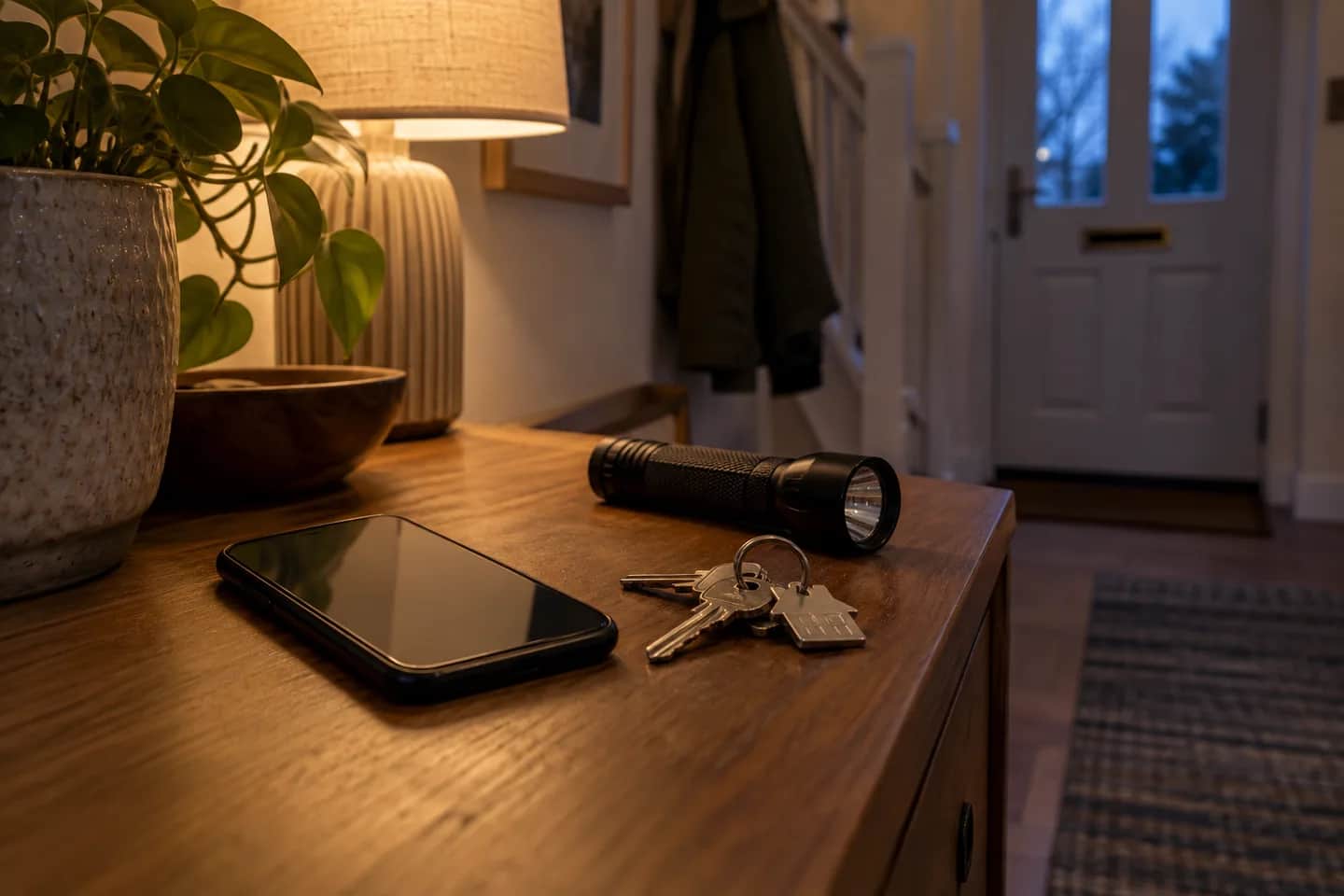
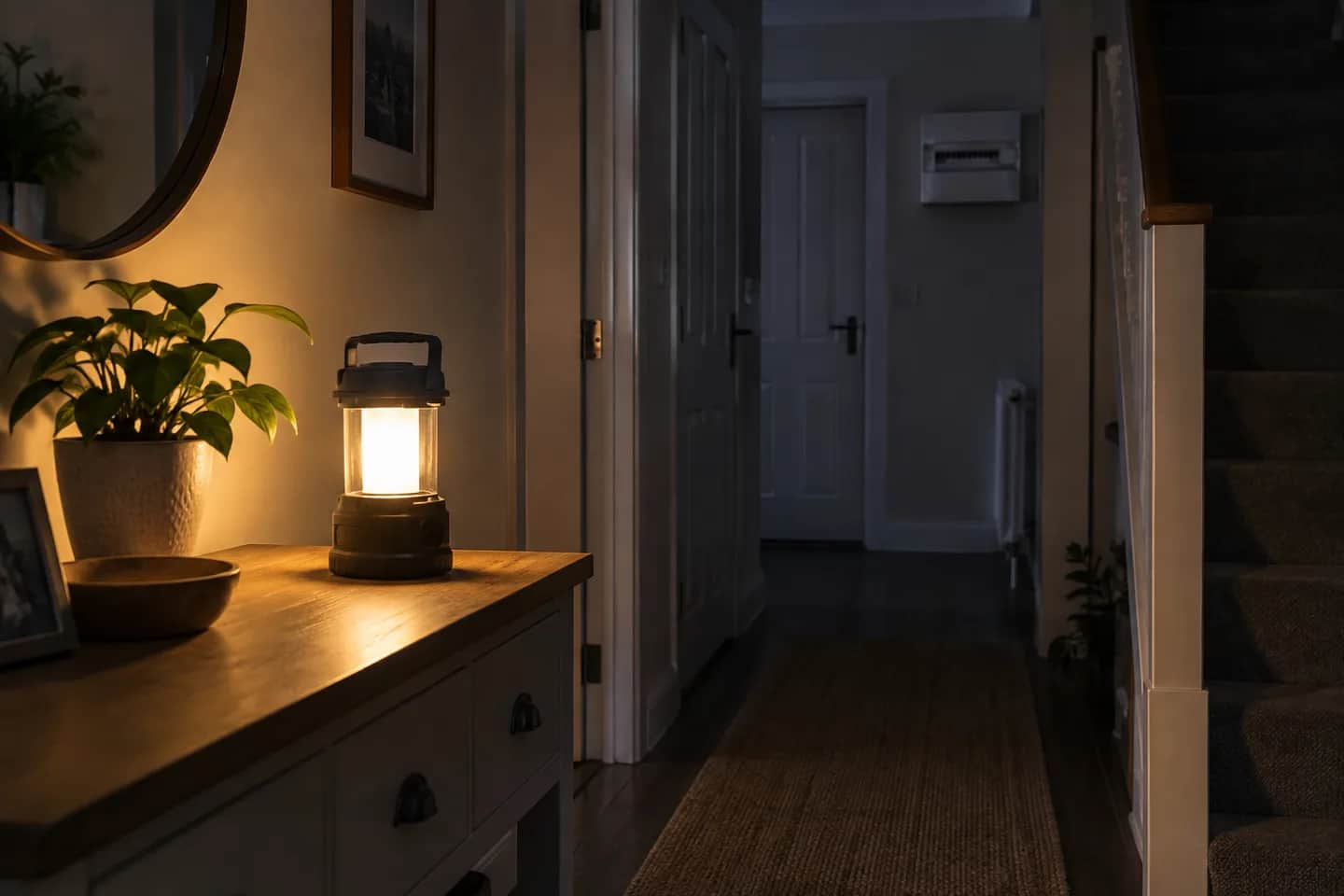
A fault affecting only your property may need an electrician. If you depend on powered medical equipment, follow your care plan and seek urgent assistance if necessary. Keep a battery torch available rather than relying on candles.
Water and electrical equipment
Keep away from flooded areas and wet electrical accessories. Do not enter standing water to turn off the power or try to dry equipment with a heater. Tell the emergency service or electrician about the water before anyone enters the affected area.
Equipment that appears dry afterwards may still be unsafe. Arrange an assessment before putting affected circuits or appliances back into use.
What to tell an electrician
Once everyone is safe, give your postcode and a short account of what happened. Mention smoke, water, unusual smells, shocks or repeated tripping. Say whether the problem affects one item, one room or the whole property, without recreating the fault.
Westwood offers 24/7 emergency electrical call-outs in Blackpool and the surrounding area. Call to discuss availability and the next step. For a non-dangerous intermittent issue, our guide to common electrical warning signs explains what information is useful to record.
Sources & further reading
Primary guidance for the topics discussed in this article.
YOUR LOCAL ELECTRICAL TEAM
Reading up on a job?
Let’s talk it through.
Tell us what you need and your postcode. We cover Blackpool and the Fylde Coast.