In this article
A recurring electrical problem is worth investigating even if the equipment works again afterwards. Repeated tripping, changes in lighting and damaged accessories can have several causes. The pattern helps an electrician investigate; it does not establish a diagnosis on its own.
If there is smoke, fire, active sparking or immediate danger, follow our electrical emergency guide first. Do not delay urgent help to collect information.
A circuit keeps tripping
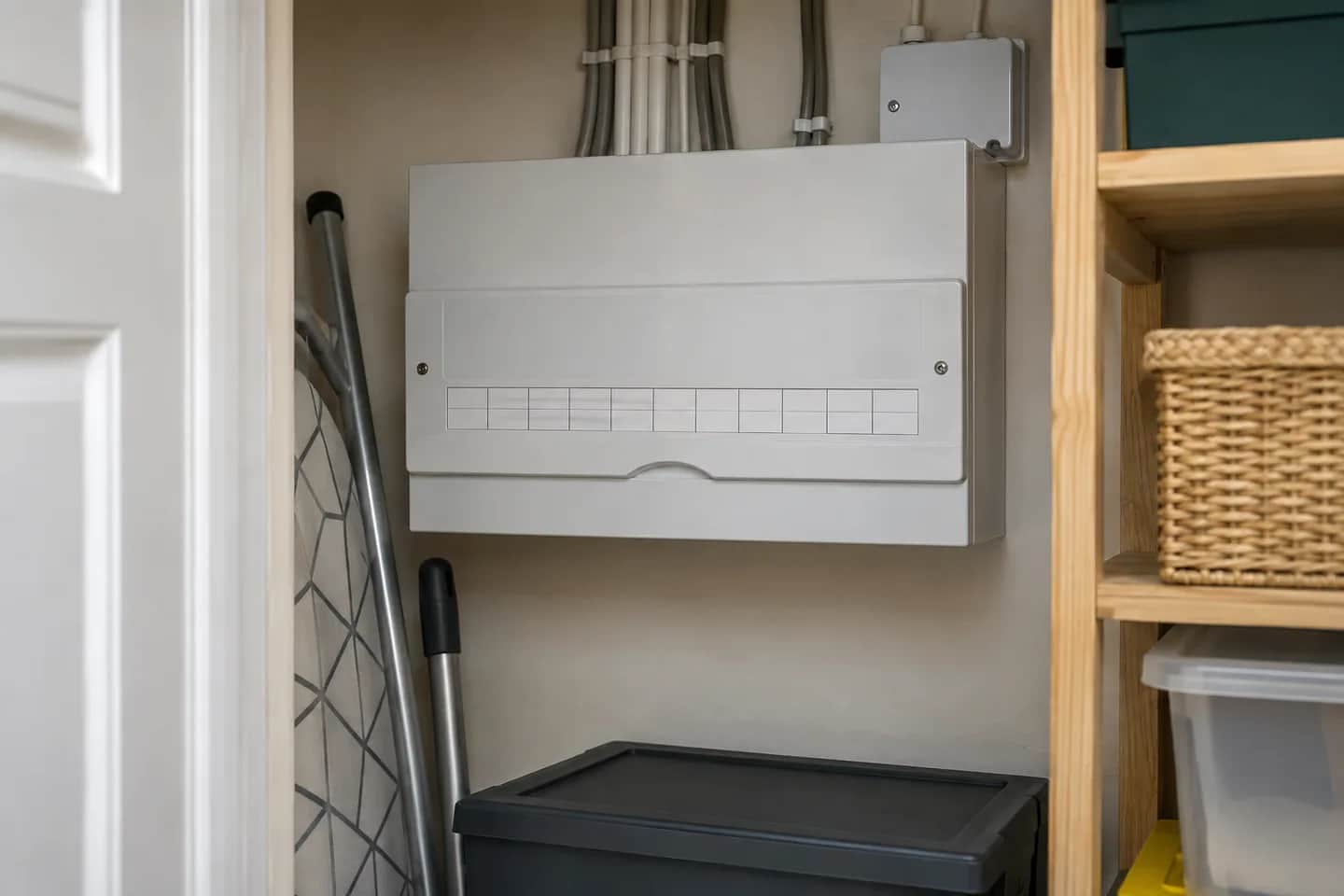
Protective devices disconnect a supply for a reason. A recurring trip might relate to an appliance, fixed wiring or a combination of conditions. Do not keep resetting it to make equipment run, hold a switch in position or change protective devices yourself.
Note when it happens and what was already in use, without recreating the problem. Mention whether it is associated with rain, a particular room or a recently installed appliance.
Lights flicker or change unexpectedly
A single lamp behaving oddly may need a different investigation from several rooms flickering together. Mention recent lamp, dimmer or fitting changes and whether one circuit or the whole property is affected.
Do not assume flickering is harmless because it comes and goes. If accompanied by heat, crackling, a burning smell or damage, stop using the affected equipment and seek urgent advice.
Accessories or cables show damage
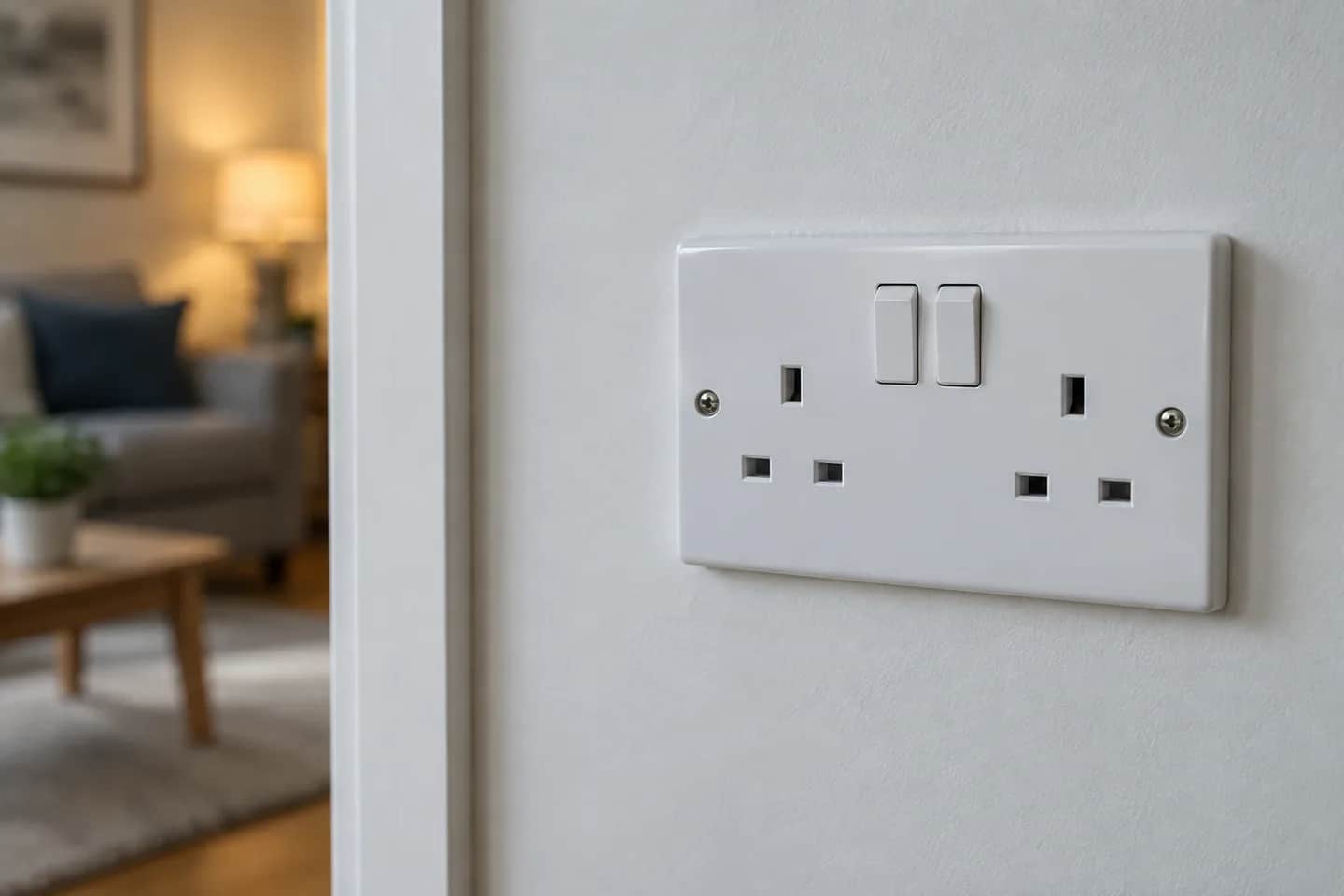
Cracks, loose fittings, scorch marks and trapped cables need attention. Avoid touching damaged parts and do not remove a faceplate to look behind it. A cosmetic repair does not establish why damage occurred.
Mention leaks or flooding even if the surface now looks dry. Moisture-related problems may not be apparent from a quick visual check.
Temporary power arrangements have become permanent
A home relying on extension leads for everyday equipment may need a better socket layout or a review of supply arrangements. The answer is not simply another adaptor.
List the equipment you use and where it belongs. That helps the electrician consider practical changes alongside fault investigation.
What information is useful?
- The equipment affected and when the problem appeared.
- Whether it happens continuously or intermittently.
- Recent building work, leaks or appliance changes.
- Previous reports or certificates, if available.
- Photographs of the outside of equipment, only when safe to take.
Testing may be needed to identify the cause; a telephone description cannot establish that a circuit is safe. Contact Westwood about electrical testing or emergency help and describe the symptoms so the appropriate next step can be discussed.
Sources & further reading
Primary guidance for the topics discussed in this article.
YOUR LOCAL ELECTRICAL TEAM
Reading up on a job?
Let’s talk it through.
Tell us what you need and your postcode. We cover Blackpool and the Fylde Coast.