In this article
Before buying equipment to reduce electricity bills, find out what your household is using and when. A bill combines consumption with tariff charges, so a higher total does not always mean you used more electricity.
Start with actual meter readings or available consumption data. Estimates and changes in billing periods can make casual comparisons misleading.
Understand kW and kWh
Kilowatts describe power; kilowatt-hours describe energy used over time. For a simple example, equipment drawing a constant 2kW for one hour uses 2kWh. This is an illustrative calculation, not a measured result for a particular appliance.
Many appliances cycle on and off or use different power levels. Their label rating alone does not establish how much they consume over a day.
Compare like with like
Check the dates covered by each bill and whether readings are actual or estimated. Consider changes in occupancy, weather and equipment. A month with guests or additional heating may differ substantially from a quieter period.
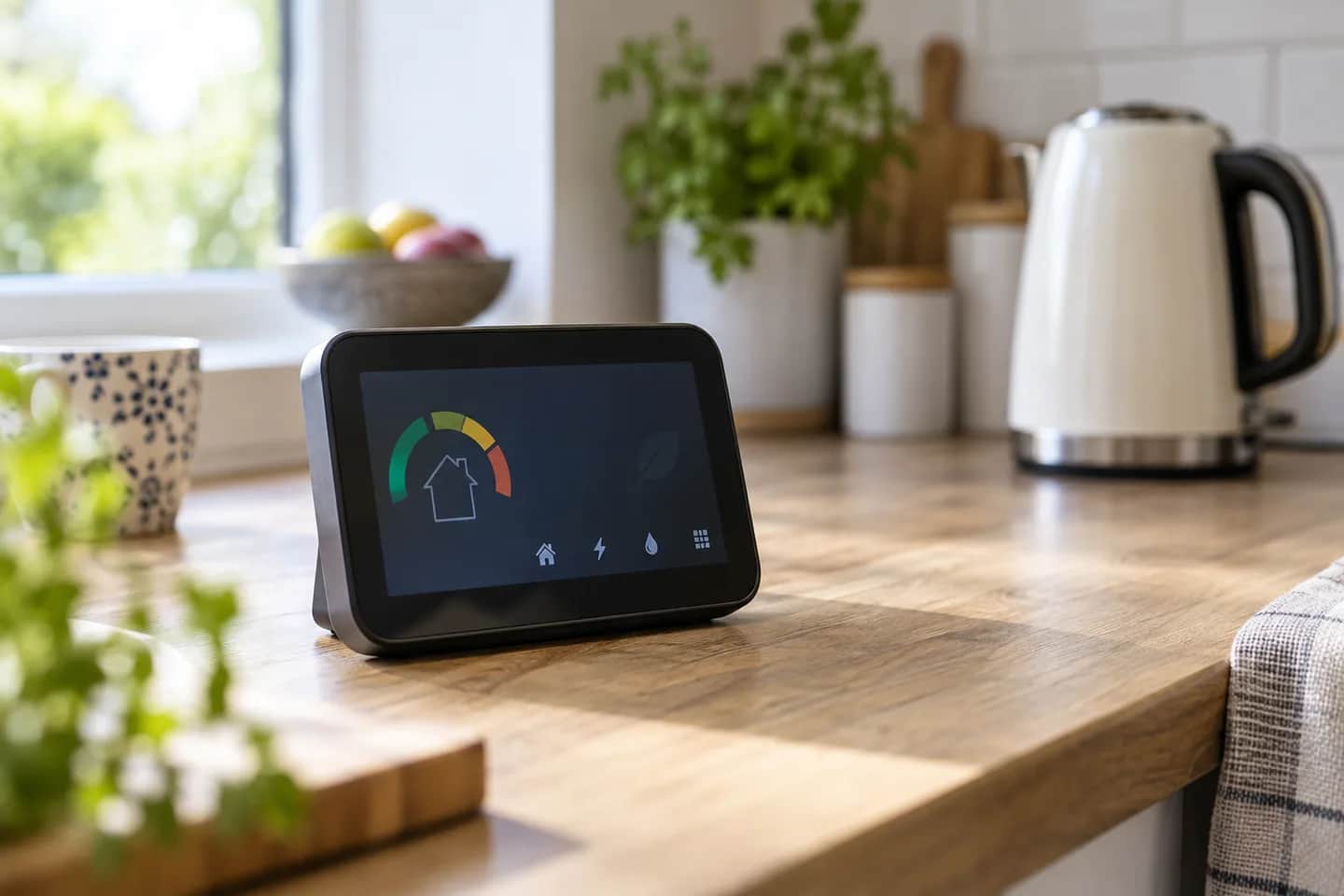
If a smart meter or supplier app provides time-based information, look for recurring patterns. Treat a pattern as a starting point for investigation rather than proof that one particular appliance is responsible.
Separate usage from tariff changes
The cost of the same amount of electricity can change with the tariff. Standing charges also contribute to the bill. When assessing a proposal, ask whether its claimed benefit comes from reduced consumption, shifting use to a different time or both.
If export payments or a special charging tariff are included in an estimate, check those terms separately. A calculation is only as useful as its assumptions.
Make a short observation record
- Note when significant equipment is normally used.
- Record changes in household routine.
- Identify controls or timers that no longer match occupancy.
- Check appliance instructions for efficient operating options.
- Keep essential equipment running as required.
Do not disconnect alarms, medical equipment or necessary ventilation for an energy experiment. Avoid opening electrical equipment or using monitoring accessories beyond their intended rating and instructions.
Turn the findings into useful questions
Your observations may point towards better lighting controls, a review of heating schedules or an assessment of solar and storage options. They may also show that a proposed upgrade would have little effect on the main source of demand.
Westwood can discuss smart home controls and electrical improvements in Blackpool and the Fylde Coast. Bring your questions and available usage information so a proposal can be related to your household's needs.
Sources & further reading
Primary guidance for the topics discussed in this article.
YOUR LOCAL ELECTRICAL TEAM
Reading up on a job?
Let’s talk it through.
Tell us what you need and your postcode. We cover Blackpool and the Fylde Coast.