
In this article
The best first energy-saving measure is one that suits how you actually use your home. Start with unnecessary operating time, unsuitable controls and inefficient lighting before assuming a major installation is needed.
Savings vary with the equipment being replaced, how long it runs and your tariff. A percentage from another household is not a dependable forecast for yours.
Make lighting useful rather than simply dimmer
Consider efficient LED lamps where they are suitable for the fitting. Compare light output in lumens rather than choosing only by wattage, and check compatibility with existing dimmers.
A well-positioned task light can make a worktop or reading area comfortable without turning on every light in the room. Switch off lights that are not needed, while retaining appropriate lighting for safe movement around the home.
Review appliance routines
Use appliances according to their instructions, with suitable programmes and loads. Think about avoidable use, such as running equipment longer than necessary, rather than compromising ventilation, food storage or other essential functions.
Do not switch off medical equipment, alarms or essential systems to reduce standby consumption. Identify what each device does before changing its routine.
Use controls you understand
Timers and smart controls are helpful when their settings match the household. An old schedule that heats an empty room or lights an unused area can undermine an otherwise efficient installation.
Review settings after changes in working hours, occupancy or season. More automation is not always better; a clear manual override and simple controls may be more useful than features nobody uses.
Separate consumption from price
A lower tariff and lower consumption are different things. Electricity is billed in kilowatt-hours, with other charges depending on the tariff. Time-of-use pricing may reward moving some consumption, but it does not necessarily mean using less energy overall.
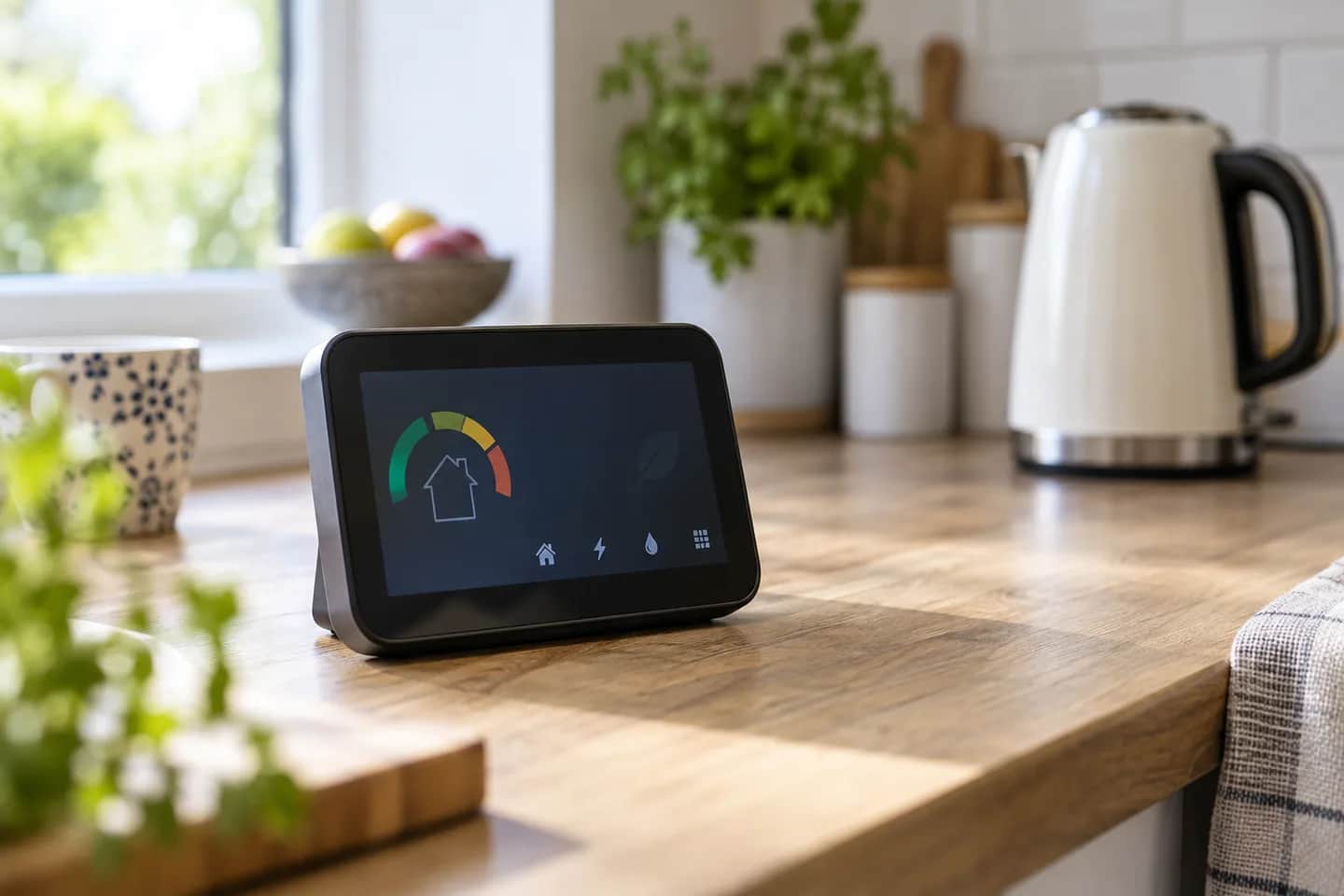
Check actual bills and meter information before deciding where a large investment belongs. A short observation period is more useful than guessing which appliance has the biggest impact.
When electrical improvements make sense
- Existing lighting is inefficient or poorly positioned.
- Controls are unreliable or difficult to use.
- Too few sockets lead to inconvenient temporary arrangements.
- You are already renovating and can coordinate improvements.
An electrician can assess installation needs and compatibility. That assessment is different from promising a particular reduction in your energy bill.
Westwood can help with lighting and planned electrical improvements across Blackpool and the Fylde Coast. Call with the rooms or equipment you want to improve, and we can discuss the options worth investigating.
Sources & further reading
Primary guidance for the topics discussed in this article.
YOUR LOCAL ELECTRICAL TEAM
Reading up on a job?
Let’s talk it through.
Tell us what you need and your postcode. We cover Blackpool and the Fylde Coast.