In this article
You do not need to understand wiring to notice changes in your home's electrics. A damaged lead, a loose socket or an appliance that repeatedly causes a trip is worth taking seriously. The purpose of a visual check is to spot a reason for help, not to certify the installation as safe.
Keep covers in place and do not touch exposed wires or damaged equipment. If there is smoke, fire or immediate danger, get clear and call the emergency services.
Look at what you can see safely
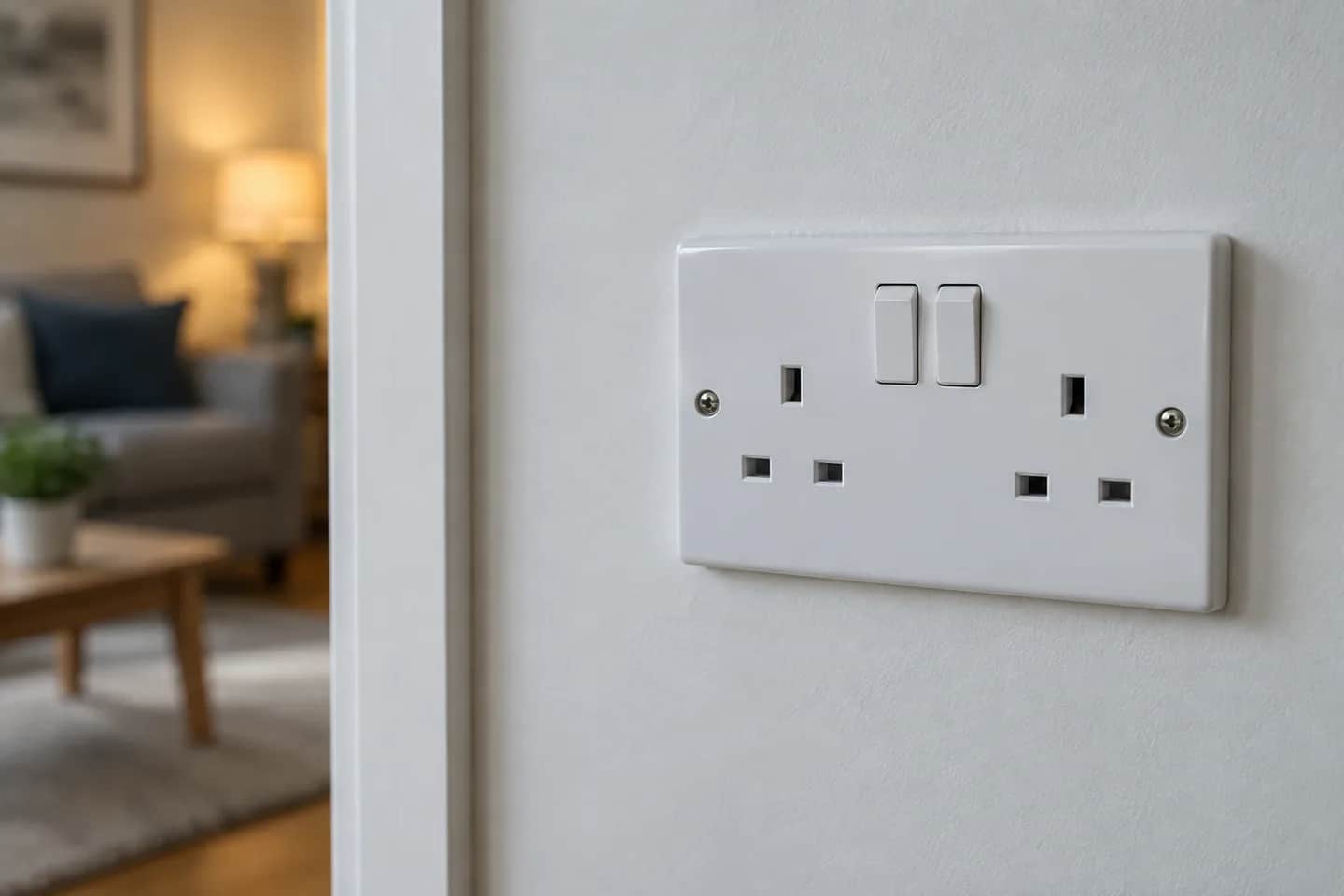
Check accessible plugs, leads and socket fronts for cracks, damage or discolouration. Think about how equipment is being used: cables trapped in doors, adaptors supporting several appliances and extension leads becoming permanent fixtures all deserve attention.
A socket can look normal even when a hidden fault exists. Equally, a symptom does not identify its cause. Record what you notice without trying to open equipment or reproduce a fault.
Pay attention to changes
An unexplained burning smell, unusual buzzing, repeated tripping or intermittent loss of power may require investigation. Stop using affected equipment if this can be done safely and contact an electrician. Do not repeatedly reset a circuit or replace protective devices to keep equipment running.
When you call, say whether the problem affects one appliance, one room or the whole property. Mention recent leaks, building work or new equipment.
Know where to find the instructions
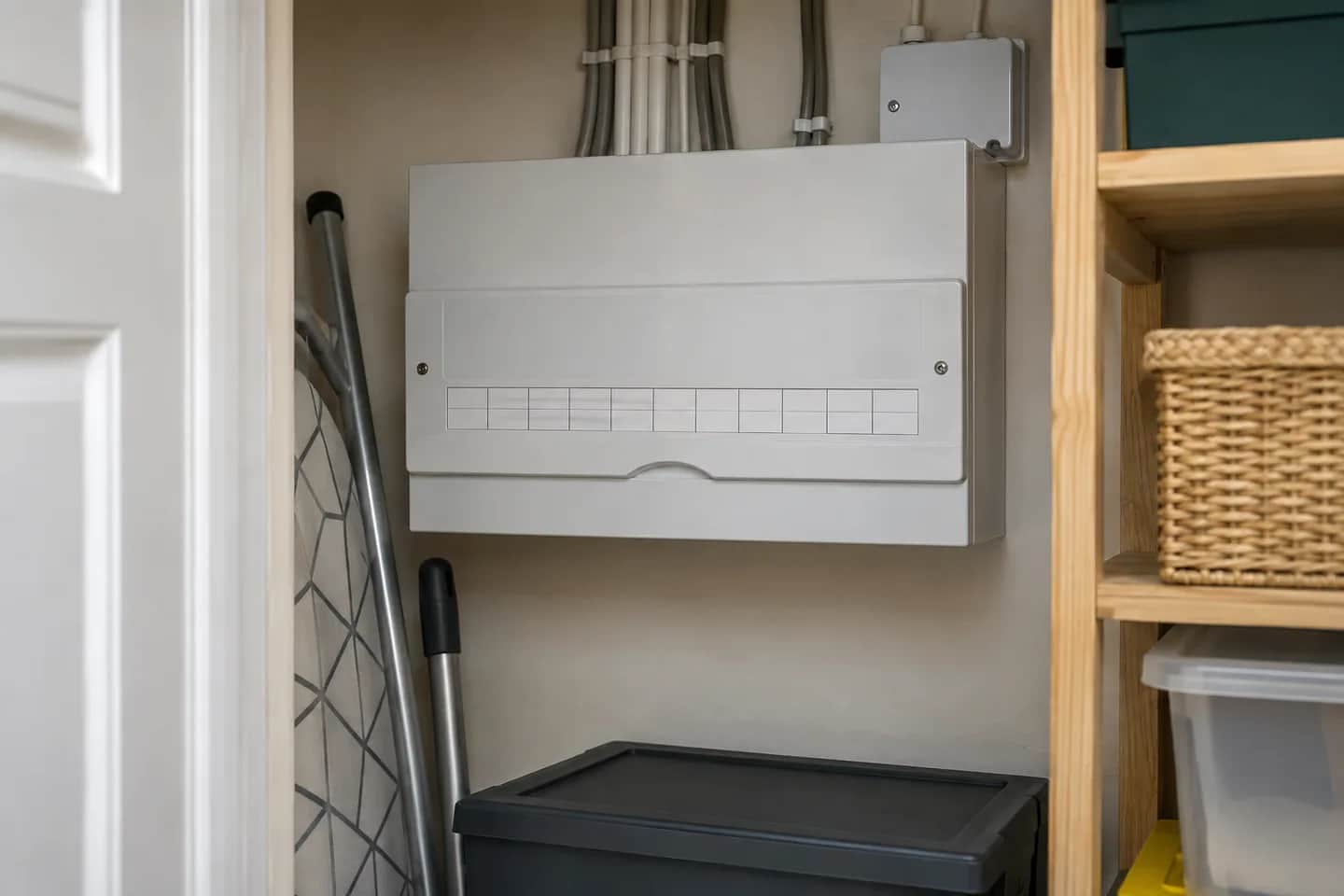
Residual current devices, or RCDs, provide an important form of electrical protection, but they do not prevent every electrical hazard. Follow the manufacturer's instructions for user testing and ask an electrician if you cannot identify the device or are unsure what to do.
Keep installation paperwork and appliance manuals somewhere accessible. A record of previous work can help an electrician understand the property, particularly after an extension or kitchen refurbishment.
Arrange an inspection when you need evidence
A professional inspection includes checks and testing that a visual walk around the home cannot provide. It can help establish the condition of an installation when you are moving, planning substantial work or investigating concerns.
The appropriate timing depends on the property, its use and previous findings. Rental property duties are a separate consideration; do not assume a homeowner checklist satisfies them.
Plan improvements around the findings
- Investigate faults before cosmetic upgrades.
- Ask what work is essential and what can be planned later.
- Confirm the scope, testing and paperwork included in a quotation.
- Use a competent electrician for changes to fixed wiring.
Westwood provides electrical testing in Blackpool and nearby areas. Call with the property type and your concerns so we can discuss a suitable next step. For a planned refurbishment, our rewiring service explains the work to consider before decorating.
Sources & further reading
Primary guidance for the topics discussed in this article.
YOUR LOCAL ELECTRICAL TEAM
Reading up on a job?
Let’s talk it through.
Tell us what you need and your postcode. We cover Blackpool and the Fylde Coast.