In this article
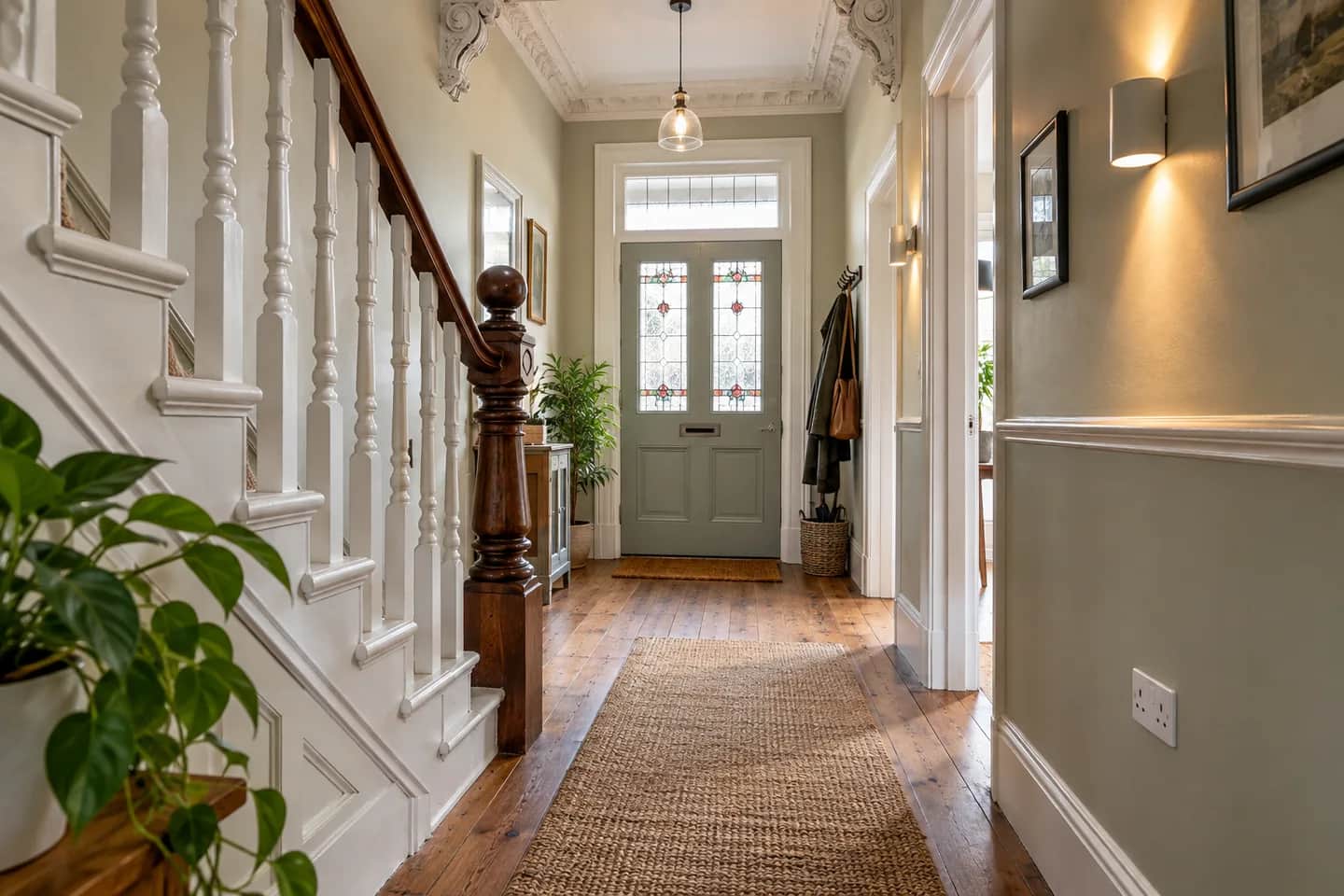
An older property can need modern power and lighting without losing the features that make it attractive. Original plasterwork, timber floors and decorative finishes can all influence how electrical improvements are planned.
The starting point is an assessment of the installation and the building, not an assumption that every old house needs the same work. The age of the architecture and the age of the wiring may be very different.
Establish what is already there
Gather previous inspection reports, certificates and any records of alterations. Tell the electrician about disused rooms, converted spaces, extensions and equipment added over time. These details help build a picture of how the installation has changed.
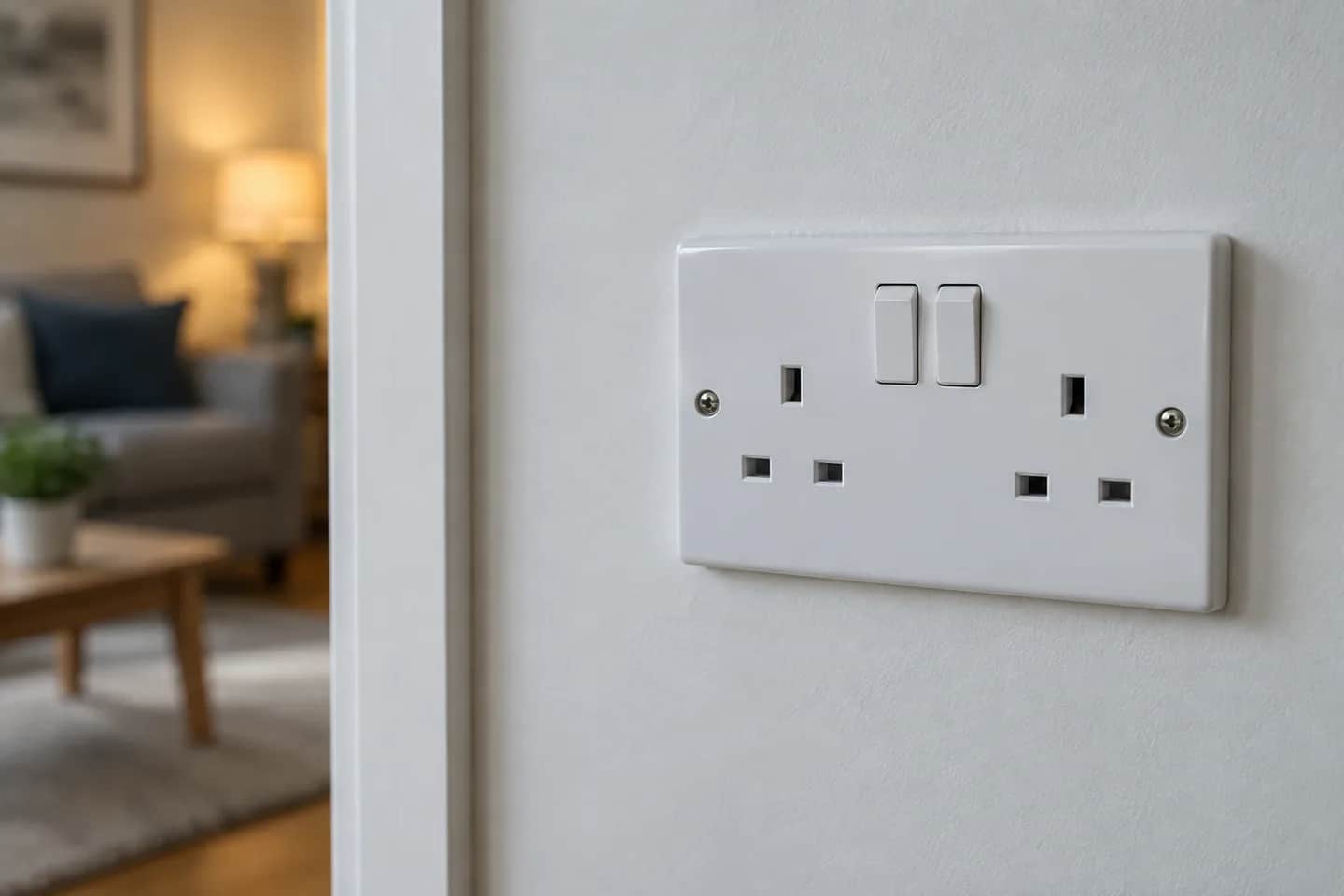
Inspection and testing can identify issues that are not visible in a photograph. New-looking switches do not demonstrate the condition of the wiring behind them. Equally, an original decorative fitting should be assessed on its condition and suitability rather than automatically discarded.
Identify the features you want to protect
Walk through the rooms with the electrician before agreeing routes or positions. Highlight cornices, wall panelling, fireplaces, patterned floors and any surfaces you do not want disturbed.
Historic England advises planning new services to minimise damage to important fabric. The shortest cable route may not be the most appropriate one. Discuss accessible routes and how later maintenance or replacement could be carried out.
Check the property's status early
A period appearance does not automatically mean a building is listed. If it is listed, or other planning restrictions apply, find out what consent is needed before work begins. Do not assume that an apparently small electrical change is exempt from every permission requirement.
Building-control requirements and conservation consent are separate questions. Ask the relevant authority or a suitable conservation professional where the proposed work could affect protected features.
Make modern use part of the brief
Older layouts may not match the way a home is used now. Think about desk positions, bedside controls, kitchen equipment and safe access to switches. Discreet lighting can improve usability without trying to make every room look newly built.
A useful brief distinguishes essential repairs from optional improvements. It also sets out which areas can tolerate disruption and which need particular care. This helps the electrician explain alternatives rather than price a vague “modernisation”.
Plan the handover and future record
Keep photographs of agreed routes, the electrical documentation and a record of what changed. These are useful for the next owner and for anyone maintaining the property later.
Westwood can discuss electrical testing and rewiring enquiries for older properties in Blackpool and nearby areas. Explain any listed status or important finishes at the first conversation so the required expertise and permissions can be considered before work is arranged.
Sources & further reading
Primary guidance for the topics discussed in this article.
YOUR LOCAL ELECTRICAL TEAM
Reading up on a job?
Let’s talk it through.
Tell us what you need and your postcode. We cover Blackpool and the Fylde Coast.